Bedding · Natural Materials
Wool Mattress Toppers: A Natural Layer for Comfort and Temperature Balance
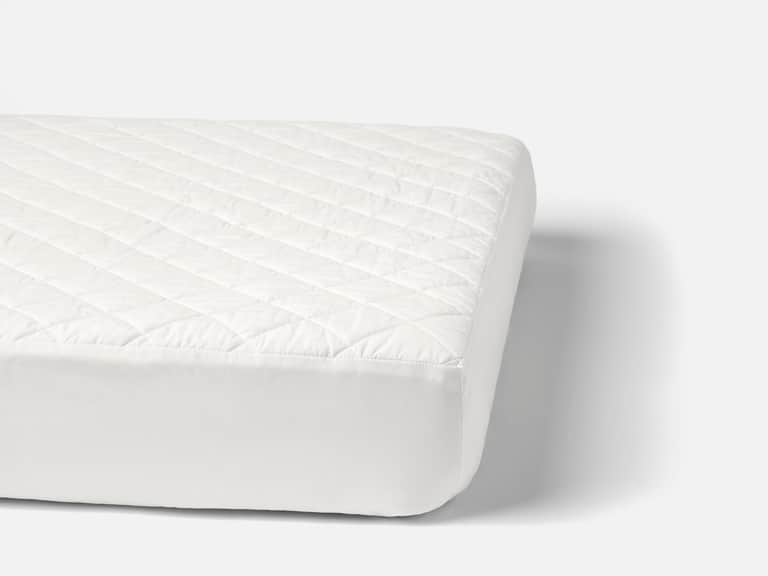
A wool mattress topper can soften a sleep surface without replacing the mattress. Its springy fibers create a breathable cushion and can help manage warmth and moisture through the night. Understanding how wool is sourced, processed, layered, and maintained makes it easier to decide whether this natural material suits your bed and your priorities.
A small change at the surface
Sleep happens at the meeting point of body and bed: a narrow landscape of sheets, blankets, and mattress materials that can feel cool at bedtime and warm by dawn. A mattress topper changes that surface. Usually placed between mattress and fitted sheet, it adds a cushioning layer while leaving the underlying mattress in place. For a bed that feels too firm, a topper may soften first contact; for someone seeking a more natural bedding material, wool offers a distinct combination of resilience and moisture management.
Wool is not a single, uniform substance. Its behavior varies with the animal fiber, how it is cleaned and processed, the amount and arrangement of filling, and the fabric that contains it. A thin, lightly filled topper will not feel like a thick, densely packed one. Nor will wool behave exactly like foam, cotton batting, or latex. Comparing the whole construction—not simply the word “wool” on a label—helps set realistic expectations.
The term organic also deserves care. A natural fiber is not automatically organically certified, and a product described as organic may refer only to one component. Clear disclosures about fiber, cover, processing, and certification help distinguish material facts from broad environmental language.
Why wool can feel comfortable across changing temperatures
Wool fibers have a naturally crimped structure. At the scale of an individual fiber, bends and curves create spaces that can trap air; in a filled topper, those spaces contribute to loft and a yielding feel. The layer can compress under weight and spring back to some degree, although recovery depends on fiber quality, fill quantity, quilting, and use. This resilience is one reason wool is used in bedding as well as clothing and other textiles.
Wool is also hygroscopic: it can absorb some water vapor into the fiber while still feeling relatively dry at the surface. In bedding, that ability may help moderate the damp sensation that can accompany perspiration. It does not mean a wool topper prevents sweating, removes all moisture from a bed, or regulates temperature in the same way for every sleeper. Room conditions, blankets, sleepwear, mattress materials, and personal physiology all influence comfort.
Temperature balance is best understood as an interaction rather than a built-in thermostat. Wool can provide insulation when the surrounding air is cool, while its fiber structure and breathable construction may help avoid the sealed, clammy feeling some sleepers associate with less breathable layers. Whether that balance feels comfortable depends on the topper’s thickness, density, cover, and the rest of the bed.
People who sleep hot may still find a thick topper too warm, particularly when paired with a heavy duvet or a mattress that retains heat. Others may welcome wool’s insulating loft in a cool room. If possible, assess the topper in the context of your existing bedding: a lighter blanket or more breathable sheet may make as much difference as changing the material beneath it.
What a topper can—and cannot—change
A topper can alter the feel of the uppermost part of a mattress. It may soften a firm surface, smooth minor irregularities, or provide a more cushioned transition beneath the sheet. It is not a substitute for a mattress that has lost its support, developed deep sagging, or become structurally uncomfortable. A soft layer laid over a failing mattress may temporarily disguise a problem without correcting it.
Wool also differs from materials that contour closely around the body. Its loft is generally more fiber-like than the slow, enveloping response of some foams. Some sleepers enjoy this buoyant, lightly cushioned feel; others prefer the close pressure relief of a more conforming surface. The right choice depends on sleeping position, body weight, pressure sensitivity, mattress firmness, and personal preference.
Before buying, consider the topper’s dimensions and thickness, the depth of the mattress, and the fitted sheet you use. A thicker layer can make a mattress deeper, potentially affecting sheet fit and the height of the sleep surface. Check whether the topper is designed to lie loose, attach with straps, or remain in place through its weight and construction. A secure fit matters for comfort and for keeping the layers smooth.
How to compare wool mattress toppers
Product descriptions can use similar terms for quite different constructions. A careful comparison starts with the fiber and continues through filling, cover, quilting, and care. Useful questions include:
- What is the filling? Look for a clear statement that identifies wool and, where available, the proportion of other fibers or materials.
- How much filling is used? Fill weight or density offers a more useful point of comparison than vague claims such as “plush” or “extra cozy.”
- What is the cover made from? The shell is the fabric in direct contact with the filling. Its fiber, weave, and finish influence feel, breathability, durability, and care.
- How is the filling held in place? Quilting, channels, or other construction details may affect how evenly the wool remains distributed over time.
- Can the topper be washed? Care instructions vary. Some wool products require specialist cleaning or careful spot treatment rather than routine machine washing.
- What is the origin and processing information? Responsible disclosure may identify fiber sourcing, manufacturing location, and relevant standards.
- What does the warranty cover? Review exclusions, required maintenance, and the process for dealing with compression or construction defects.
Fill density is especially important because two toppers with the same dimensions can have different amounts of wool and very different feels. More fill may provide greater loft, but it does not guarantee better comfort or longer life. A dense layer may feel firmer and warmer; a lighter one may feel less substantial. Look for measurements and construction details rather than relying on product names alone.
Cover fabric deserves equal attention. Cotton is common in bedding and can provide a familiar, breathable surface, but “cotton” does not reveal whether it is organic, how it was finished, or how tightly it is woven. A cover can also include blends, coatings, or treatments. Ask what the finished product contains, not only what its headline material is.
Sourcing, certifications, and careful claims
Wool’s natural origin does not, by itself, establish how animals were raised, how land was managed, what happened during processing, or what chemical inputs were used. Those questions involve different parts of a supply chain. A brand that provides specific, verifiable information allows consumers to judge its claims more clearly than one that relies on broad phrases such as “clean,” “green,” or “eco-friendly.”
Certifications can help, but their meaning depends on the standard and the product component covered. Textile standards may address aspects of processing, chemical restrictions, or organic fiber content. Animal-welfare and farm-level programs focus on other questions. A certificate associated with one ingredient should not be assumed to certify every material, finish, or stage in the finished topper’s production.
When assessing a certification, check the organization behind it, what the standard evaluates, and whether the claim applies to the finished item or a specific input. If a label or product page does not explain this, seek the certification’s scope directly. A well-documented claim is more useful than a badge whose relevance is unclear.
For shoppers concerned about low-chemical bedroom materials, the complete product matters. Wool filling, the textile cover, sewing threads, dyes, finishes, and any adhesives or backing materials may each have different disclosures. Certifications can support an informed assessment, but they do not prove that a product is free of every chemical or that it will be suitable for every sensitive person. If you have a known allergy or health concern, consult a qualified professional and ask the manufacturer specific questions about the materials and processing.
Care: keeping the layer fresh
Wool toppers often need gentler care than ordinary sheets. Follow the manufacturer’s instructions before washing, steaming, or applying a cleaning product. Aggressive washing, high heat, or rough handling can cause fibers to felt, shrink, or lose loft. Some designs cannot be machine washed at all. Treating every wool product as washable simply because wool garments can sometimes be washed is a common and costly mistake.
Routine airing can help refresh bedding between deeper cleanings. On a dry day, allow the topper to breathe in a well-ventilated space according to care guidance, keeping it out of harsh weather and direct conditions that could damage the materials. A breathable mattress protector or washable cover may shield it from routine spills and body oils, but check that added layers do not undermine the temperature and feel you want.
If a spill occurs, act promptly and follow the product’s specific directions. Blot rather than scrub, and avoid soaking the filling unless the manufacturer explicitly permits it. Dry the topper thoroughly before returning it to the bed; trapped moisture can lead to odor or other problems. Regularly inspect for uneven filling, persistent odors, or signs of wear, and rotate the topper only if its construction allows it.
Care is part of sustainability. A durable item that is maintained and used for years may reduce the need for frequent replacement, but longevity is not guaranteed by natural materials alone. Construction quality, suitable use, repair options, and realistic care all play a part.
Wool in a lower-chemical bedroom
Creating a considered bedroom is less about finding a single perfect material than understanding the layers that surround you. Bedding includes sheets, mattress pads, protectors, toppers, and blankets; each contributes to comfort and each can carry its own fibers, finishes, and care needs. Choosing wool for one layer does not automatically make the entire bed organic or chemical-free.
Start with the qualities that matter most to you. If you want a softer surface, compare the topper’s fill and thickness. If temperature comfort is the priority, consider the whole bedding system and whether the cover, sheets, and duvet encourage airflow. If material sourcing matters, seek traceable information and identify which certification covers which component. For a sensitive sleeper, prioritize transparent ingredient disclosures and a return policy that allows a reasonable trial, where available.
It can help to change one layer at a time. That makes it easier to notice whether the topper improves comfort or whether an issue comes from the mattress, room temperature, bedding weight, or another part of the sleep setup. Keep expectations measured: wool may help create a more breathable and resilient surface, but it cannot guarantee cooler sleep, eliminate allergens, or resolve every source of discomfort.
Questions to ask before choosing
Will it suit my mattress?
Confirm the dimensions, thickness, attachment method, and any mattress-depth guidance. Check that your fitted sheet can accommodate the added height without pulling loose.
What kind of feel do I prefer?
Wool’s resilient, lofted cushioning differs from both a firm mattress surface and closely conforming foam. If you can, compare similar constructions in person or review the seller’s trial and return terms.
Can I care for it properly?
Read the cleaning instructions before purchase. Consider whether specialist care is practical and whether you have a suitable protector to reduce the chance of stains.
Are the claims specific?
Look for named materials, sourcing details, clear certification scope, and accessible care information. Specific statements are easier to evaluate than general promises about purity or sustainability.
A measured choice for everyday comfort
A wool mattress topper is a natural layer with a particular set of strengths: a crimped fiber structure that supports loft, a cushioning feel, and the capacity to absorb some moisture vapor. Those traits may help create a comfortable bed through changing temperatures, especially when the topper is thoughtfully matched to the mattress and the rest of the bedding. They are not a guarantee of cool sleep or a replacement for a mattress that no longer supports the body well.
For a sound comparison, look beyond labels. Examine wool quantity, cover fabric, construction, sourcing, certification scope, and care requirements. Consider how the layer will feel under your own sheets and whether its maintenance fits your routine. When product information is transparent and expectations are realistic, choosing a topper becomes less a matter of chasing a promise and more a practical decision about comfort, materials, and use over time.
Key points to remember
- Wool’s crimp can create a resilient, lofted layer, while its moisture-handling properties may support a less clammy feel.
- Temperature comfort depends on the whole sleep system, including the room, mattress, sheets, and blankets.
- Compare fill density, cover materials, quilting, dimensions, care instructions, and sourcing—not just product names.
- Natural does not automatically mean organic, certified, chemical-free, or suitable for every sensitive sleeper.
- Follow care guidance closely; washing and high heat can damage some wool constructions.