Comforters are versatile bedding essentials designed to provide warmth and coziness while maintaining a lightweight profile for year-round use. In organic bedding, these fills and covers prioritize natural fibers and low-emission manufacturing to support sleep comfort and environmental responsibility. Key features often include fiber content, warmth rating, and hypoallergenic properties suitable for sensitive sleepers.
Organic comforters typically emphasize breathable fabrics such as organic cotton or other natural fibers, which help regulate temperature and wick moisture. The fiber construction influences loft, durability, and washability, making these comforters suitable for adults and children alike. Understanding warmth levels and care requirements supports appropriate selection for different climates and routines.
When evaluating comforters, consider fill type, density, and construction. Lightweight fills may suit temperate environments or layering with blankets, while medium to heavier fills provide enduring warmth. For families, organic options reduce exposure to pesticides and synthetic additives, aligning with safe sleep guidelines for infants and toddlers.
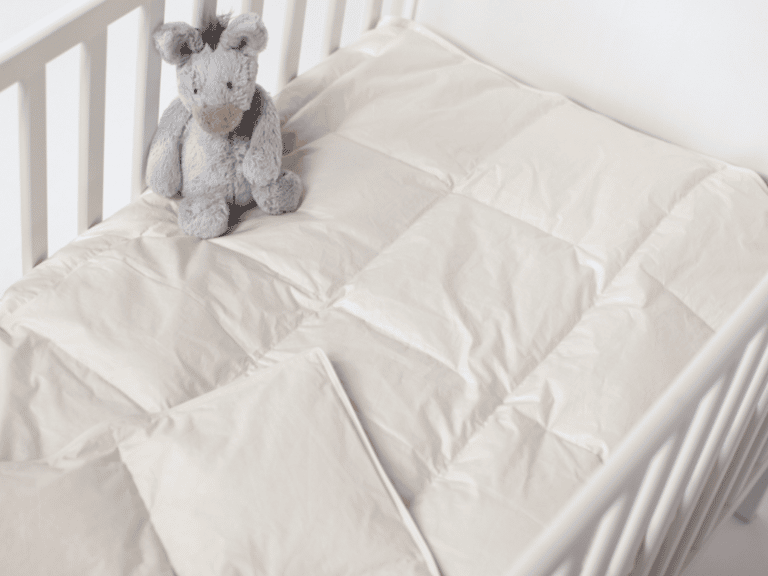
The Fiona Ultra-Lightweight Crib demonstrates how specialized comforters adapt to specific needs without sacrificing safety or comfort. This crib-friendly design prioritizes minimal weight, breathable coverage, and secure fill distribution to prevent clumping. Functional benefits include easy laundering, consistent warmth, and suitability for delicate sleep areas.
In the broader context of bedding, comforters complement sheets, pillows, and organic mattresses, contributing to an integrated sleep environment. Meta keywords such as bedding, pillows, sheets, organic mattresses, and organic crib mattresses reflect the interconnected nature of materials, care practices, and ergonomics that influence rest quality and long-term comfort.
 Bedding